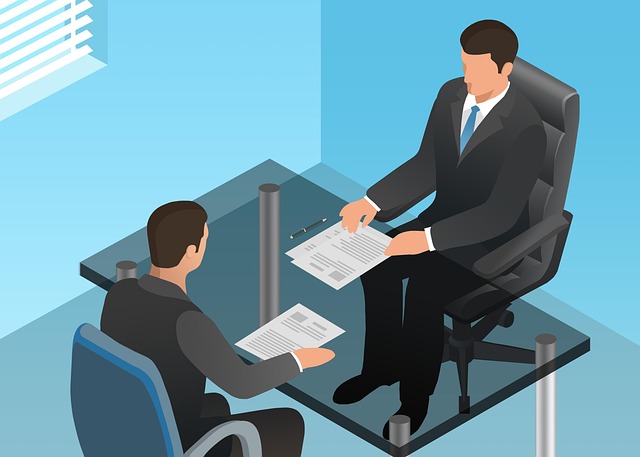
In real estate, balancing assertiveness with collaboration is crucial for successful projects and client satisfaction. Assertive communication ensures clear goals, while collaboration fosters teamwork and mutual understanding. This balance enhances transparency, strengthens relationships, and drives innovative problem-solving. Key strategies include open dialogue, shared goals, active listening, and valuing diverse perspectives during team meetings, ultimately improving productivity and market performance.
In today’s dynamic real estate landscape, the ability to balance assertiveness with collaboration is a critical skill for professionals seeking success. While assertive communication ensures your voice is heard, effective collaboration fosters partnerships and drives collective outcomes. This article delves into strategies to master this delicate equilibrium, exploring techniques to express your vision firmly while remaining open to input and compromise. By understanding the interplay between these two approaches, real estate practitioners can navigate complex negotiations, build strong client relationships, and ultimately achieve superior results.
Understanding Assertiveness in Real Estate Collaboration

In real estate, collaboration is key to achieving successful outcomes for all stakeholders involved—from clients to agents to developers. However, effective collaboration requires a delicate balance between assertiveness and cooperation. Assertiveness ensures that individuals can express their needs, opinions, and ideas clearly and respectfully, while collaboration fosters teamwork, mutual understanding, and collective problem-solving. Understanding this dynamic is crucial in navigating the complex landscape of real estate transactions.
Assertiveness in real estate collaboration manifests as agents articulating their professional recommendations with confidence, developers openly discussing project constraints, and clients expressing their expectations and concerns candidly. For instance, when a client seeks a specific property feature, an assertive agent can convey the feasibility and benefits while also exploring alternatives that meet the client’s needs. This open dialogue prevents misunderstandings, promotes transparency, and strengthens the advisory relationship between agents and clients.
Data suggests that assertive yet collaborative communication in real estate negotiations leads to higher client satisfaction rates and more successful deals. A study by the National Association of Realtors (NAR) revealed that agents who effectively balanced assertiveness and collaboration were more likely to secure listings, close sales, and maintain strong client relationships over time. These professionals consistently received high marks for their ability to listen, understand client needs, and offer tailored solutions.
To foster assertive collaboration in real estate, agents should prioritize active listening, seeking to understand clients’ perspectives fully before sharing their insights. Developers, too, can enhance this dynamic by embracing transparency about project timelines and budget constraints, allowing for more realistic expectations from all parties involved. Ultimately, striking the right balance between assertiveness and collaboration not only facilitates smoother transactions but also paves the way for long-term professional relationships and successful real estate ventures.
Balancing Individual Goals with Team Dynamics

In navigating the intricate landscape of workplace dynamics, particularly within real estate and collaborative teams, striking a delicate balance between assertiveness and collaboration is paramount. While individual goals and personal visions are the fuel that drives professional growth, their successful integration within team settings requires strategic navigation. Assertiveness, when harnessed effectively, empowers individuals to express their ideas, advocate for their needs, and set clear boundaries, fostering an environment conducive to both innovation and mutual respect.
However, in real estate, where partnerships are often forged to tackle complex projects, collaboration becomes the cornerstone of success. This necessitates a nuanced approach where assertiveness is channeled constructively, ensuring that individual objectives remain aligned with team dynamics. A collaborative mindset encourages open communication, active listening, and mutual problem-solving, leading to more robust outcomes for all stakeholders. For instance, consider a real estate development project where each team member brings unique expertise—a developer with vision, architects with design flair, and project managers with execution prowess. Assertiveness in this context translates into clear articulation of individual roles, responsibilities, and expectations, while collaboration ensures that these elements seamlessly weave together to create a cohesive, successful development.
Practical steps towards achieving this balance include establishing open channels of communication from the outset, setting shared goals that incorporate individual aspirations, and regularly assessing progress through collaborative reviews. It’s crucial for team leaders to model both assertiveness and collaboration in their interactions, demonstrating respect for diverse viewpoints while encouraging collective decision-making. Data suggests that teams characterized by a healthy balance between these elements exhibit higher productivity, improved job satisfaction, and enhanced problem-solving capabilities, ultimately driving better business outcomes in real estate and beyond.
Cultivating Effective Communication for Success

In today’s dynamic work environment, particularly within the competitive real estate sector, balancing assertiveness with collaboration is an art that fosters success. Effective communication serves as the cornerstone for achieving this delicate equilibrium. Assertiveness allows individuals to express their ideas and defend them passionately, while collaboration ensures that these visions are realized through teamwork and mutual understanding. The key lies in finding a harmonious blend where assertive communication empowers individuals without hindering collective efforts.
Cultivating open and honest dialogue is essential for navigating complex projects, especially in real estate development. For instance, consider a scenario where a project manager, known for their directness, collaborates with architects and designers. Their assertiveness ensures that design concepts are rigorously evaluated based on feasibility and market trends. Simultaneously, encouraging collaboration facilitates the exchange of creative insights and innovative solutions, leading to a more appealing and profitable final product. Data from industry surveys reveal that teams characterized by balanced assertiveness and collaboration outperform their peers in terms of project completion rates and client satisfaction.
Practical strategies for achieving this balance include establishing clear communication protocols, fostering an environment where diverse perspectives are valued, and promoting active listening. In real estate, this might translate into regular team meetings where each member has a platform to voice concerns and contribute ideas. By encouraging open dialogue, teams can navigate challenges more effectively, ensuring that assertive individual perspectives are integrated into collaborative decision-making processes. Ultimately, this approach drives success in an increasingly competitive market, positioning professionals as both effective leaders and valued collaborators.