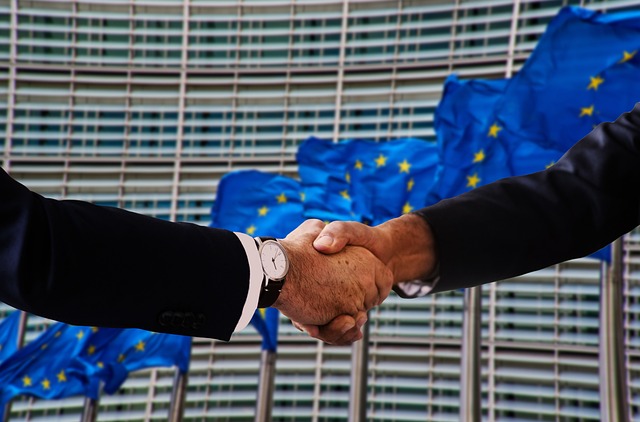
In real estate naturally, collaboration and assertiveness are key to success. Assertiveness fosters trust and clear communication, enabling professionals to guide clients with market knowledge. Balancing assertiveness with teamwork, pros navigate commission rates and timelines while incorporating diverse perspectives during inspections. Collaborative approaches enhance team dynamics, trend prediction, conflict resolution, and client service through transparent communication, cross-functional projects, and open contribution recognition. Effective collaboration drives exceptional results in multifaceted transactions by fostering mutual respect, clear roles, and regular check-ins, creating powerful synergies.
In today’s dynamic Real Estate landscape, the ability to balance assertiveness with collaboration is a competitive advantage for professionals seeking sustained success. Assertiveness ensures clear communication and individual accountability, while collaboration fosters teamwork, innovation, and mutually beneficial outcomes. However, striking this delicate equilibrium presents a challenge, as personal styles clash and organizational cultures vary. This article delves into practical strategies and best practices to cultivate a collaborative yet assertive approach, enhancing professional dynamics and driving robust results in the competitive Real Estate market.
Understanding Assertiveness in Real Estate Collaboration

In real estate, collaboration is key to achieving successful outcomes for all parties involved. However, navigating this landscape requires a delicate balance between assertiveness and cooperation. Assertiveness refers to the ability to express one’s needs, opinions, and rights in a clear, direct, and respectful manner. In real estate naturally, where deals can be complex and negotiations intense, assertive communication can ensure that agents, developers, investors, and clients alike are heard and understood. It fosters an environment of trust and mutual respect, crucial for building strong professional relationships.
An expert agent, for instance, might assert their position on market trends during a client meeting, providing data-driven insights to guide investment decisions. This assertiveness doesn’t exclude collaboration; instead, it prepares the ground for productive teamwork. By presenting well-researched opinions, agents encourage open dialogue and facilitate informed decision-making. In turn, collaborative practices enable agents to gather diverse perspectives, enhancing their ability to tailor solutions that meet clients’ unique needs.
To strike a balance, real estate professionals should cultivate assertiveness in specific areas while maintaining flexibility and openness elsewhere. For instance, when negotiating terms, being assertive about one’s commission rates or desired timelines demonstrates professionalism and protects interests. Simultaneously, collaboration shines through during joint site inspections where listening to colleagues’ observations and insights refines the overall understanding of a property’s potential. This dynamic interplay between assertiveness and collaboration is a game-changer in real estate, ensuring that deals close smoothly and relationships remain robust over time.
Cultivating Collaborative Environment for Success

In today’s dynamic work environment, particularly within the real estate sector, fostering a culture of collaboration is essential for achieving success. While assertiveness plays a crucial role in any professional setting, striking a delicate balance between the two is what cultivates an optimal collaborative environment. Assertiveness enables individuals to express their ideas and opinions confidently, while collaboration ensures that diverse perspectives are considered, leading to more innovative solutions.
A collaborative approach in real estate can significantly enhance team dynamics. For instance, when agents work together, sharing market insights and client feedback, they can collectively predict trends, which may result in better-informed investment decisions. By encouraging open communication, agents can resolve conflicts or disagreements constructively, ultimately benefiting clients with more tailored services. Data suggests that collaborative teams often experience higher job satisfaction, leading to increased productivity and retention rates.
Practical steps towards fostering collaboration include organizing team-building activities, implementing transparent communication channels, and promoting a ‘no-blame’ culture. Managers should create opportunities for cross-functional projects, encouraging agents from different departments to work together. This not only broadens their understanding of the business but also fosters a sense of collective responsibility. For example, a collaboration between sales and marketing teams could result in more effective campaign strategies that drive significant leads.
Expert advice emphasizes the importance of recognizing and valuing individual contributions within a collaborative framework. When team members feel appreciated for their unique skills, they are more likely to contribute openly. This recognition can be as simple as public acknowledgment or formal reward systems that highlight the impact of each agent’s role in collective success. By nurturing a culture that embraces both assertiveness and collaboration, real estate businesses can create a dynamic, productive environment that drives excellence.
Balancing Act: Tips for Effective Teamwork in Real Estate

In the dynamic realm of real estate, effective collaboration is not just a nicety—it’s a competitive advantage. The balancing act between assertiveness and collaboration is an art that top brokers and agents master to achieve exceptional results. Assertiveness ensures clear communication and individual contribution, while collaboration fosters teamwork, leveraging diverse skills for collective success. This delicate equilibrium is crucial in navigating complex deals and client relationships.
Real estate naturally lends itself to a collaborative approach due to the multifaceted nature of transactions. From property valuation to marketing and negotiations, multiple experts—brokers, appraisers, lawyers, marketers—must work in harmony. A successful team player understands when to assert their expertise and when to listen, ensuring every voice is heard without overshadowing others. For instance, a broker facilitating a high-profile commercial deal must balance their assertive leadership with the collaborative input of legal counsel on lease agreements or the insights from marketing specialists on property positioning.
Practical tips for this balancing act include establishing clear communication channels, setting defined roles and expectations, and fostering an environment of mutual respect. Regular check-ins and transparent discussions about progress ensure everyone is aligned. In real estate, where numbers and market trends are key, data-driven collaboration can be a game-changer. Brokers who assertively share market insights while encouraging colleagues to contribute their unique perspectives create a powerful synergy. This collaborative approach not only strengthens team dynamics but also enhances the accuracy of predictions and strategies, ultimately driving successful transactions.