
In real estate naturally, a balanced approach between assertiveness and collaboration is crucial for success. Assertiveness, paired with mutual respect, facilitates effective communication, negotiation, and client advocacy. Data shows this balance leads to better deals and enhanced client satisfaction. Key strategies include structured meetings, constructive criticism, technology for information sharing, and regular communication skills training. By prioritizing collaboration, real estate professionals can navigate complex markets, build strong networks, and solidify their reputation.
In the dynamic realm of Real Estate, achieving harmonious relationships between colleagues and clients is key to sustained success. Assertiveness and collaboration, though often perceived as conflicting forces, are in fact indispensable elements for a robust professional ecosystem. This article delves into the art of balancing these two critical aspects, exploring practical strategies to foster productive interactions and build lasting partnerships. By understanding the intricate interplay between assertiveness and cooperation, real estate professionals can enhance their communication, negotiation, and problem-solving skills, ultimately delivering exceptional value to clients and peers alike.
Understanding Assertiveness in Real Estate Collaboration

In real estate, collaboration is key to successful transactions. However, navigating this landscape requires a delicate balance between assertiveness and cooperation. Assertiveness, when misused, can escalate conflicts; when applied thoughtfully, it fosters productive partnerships. In this dynamic environment, understanding and mastering assertiveness is crucial for achieving favorable outcomes.
Real Estate naturally demands clear communication and decisive action. Agents must be assertive in presenting properties, negotiating terms, and advocating for clients’ interests. For instance, an agent who actively listens to a client’s needs and then confidently communicates suitable options demonstrates both assertiveness and collaboration. This proactive approach ensures everyone is on the same page, streamlining the transaction process. Data suggests that assertive yet collaborative agents often secure better deals, enhance client satisfaction, and build lasting professional relationships.
Yet, balance is essential. Assertiveness should never override mutual respect and open dialogue. Real estate professionals must be attuned to their colleagues’ perspectives, responding assertively while remaining receptive to ideas and feedback. For example, during a negotiation, an assertive agent could firmly articulate their client’s position while inviting counteroffers, demonstrating flexibility and a willingness to collaborate. This approach fosters a cooperative atmosphere, encouraging creative solutions and win-win outcomes.
Expert advice underscores the importance of self-awareness in cultivating assertiveness. Real estate professionals should recognize their communication style, adapt as needed, and consistently prioritize collaboration. By embracing this balance, agents can navigate complex negotiations, build robust professional networks, and deliver exceptional service to clients, solidifying their reputation in the competitive real estate market.
Cultivating Effective Communication for Success
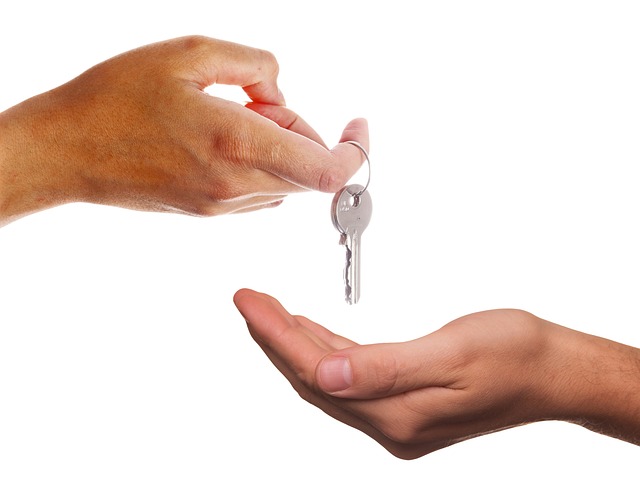
In today’s dynamic work environment, especially within sectors like real estate, a delicate balance between assertiveness and collaboration is vital for achieving success. Effective communication serves as the cornerstone of this equilibrium, enabling professionals to navigate complex situations with ease. Assertiveness empowers individuals to express their ideas confidently, while collaboration fosters an environment conducive to collective problem-solving—a winning combination for any team or organization.
Cultivating open and transparent dialogue is essential in real estate transactions, where nuanced conversations can make or break a deal. For instance, agents who openly communicate their clients’ needs and preferences to each other can facilitate smoother negotiations, fostering trust and mutual respect. This collaborative approach not only expedites the search process but also enhances client satisfaction. Moreover, effective communication promotes active listening, allowing professionals to anticipate and address concerns proactively, a critical skill in managing diverse stakeholders across different deals.
Practical insights into this strategy include structuring meetings with clear agendas, encouraging feedback through constructive criticism, and utilizing technology for efficient information sharing. Regular training sessions focused on communication skills can significantly impact team dynamics, ensuring that everyone involved feels heard and valued. Data suggests that teams with robust internal communication enjoy higher productivity rates and better-executed strategies, ultimately leading to improved performance in competitive markets. Ultimately, a culture of open dialogue and collaborative problem-solving is the key to success in any real estate endeavor, fostering an environment where assertiveness and teamwork thrive.
Achieving Harmony: Balancing Interests in Teamwork

In dynamic team settings, particularly within the fast-paced Real Estate industry, achieving harmony involves balancing assertiveness with collaboration. Assertiveness fosters clear communication and empowers individuals to express their ideas and concerns openly. It ensures that everyone’s voice is heard, a critical factor in generating innovative solutions tailored to complex market conditions. However, unbridled assertiveness can lead to conflict, hindering teamwork. Collaboration, on the other hand, emphasizes mutual respect, active listening, and shared goals, creating an environment conducive to productive partnerships. Striking the right balance involves recognizing that both traits are essential, complementary components of successful teamwork.
Expert perspectives highlight the importance of defining roles and expectations upfront, ensuring transparency and clarity across the team. For instance, in a Real Estate project, assertive leadership can facilitate strategic planning while collaborative practices encourage open dialogue among agents, analysts, and support staff. This blend cultivates a culture where diverse expertise is valued, fostering inclusive decision-making processes. Data from industry studies indicate that teams with strong collaboration skills outperform their less cohesive counterparts by up to 35%, underscoring the business value of harmonized assertiveness and collaboration.
Practical advice for achieving this balance includes scheduling regular team meetings focused on both strategic objectives and personal feedback, fostering an atmosphere where assertive communication is balanced with empathetic listening. Incorporating diverse perspectives through inclusive discussions enhances problem-solving capabilities and strengthens team bonds. Additionally, recognizing and rewarding collaborative achievements reinforces the value of teamwork, encouraging ongoing cooperation. Ultimately, successful teams understand that assertiveness drives progress while collaboration ensures a harmonious journey towards shared goals.