
In Real Estate naturally, effective collaboration and assertiveness are key to success. Assertive communication clarifies roles, prevents misunderstandings, and fosters mutual respect and trust, leading to higher client satisfaction and more closed deals. Balancing individual goals with collaborative practices enhances team performance and client satisfaction. Key strategies include setting clear expectations, fostering open dialogue, conducting regular check-ins, and promoting active listening and clear messaging. Strong communication networks drive robust strategies and strong relationships, benefiting both individual agents and the industry ecosystem.
In today’s dynamic Real Estate landscape, the ability to balance assertiveness with collaboration is a critical skill for success. While assertive communication ensures that your voice is heard and needs are met, effective collaboration fosters strong relationships and drives collective achievement. The challenge lies in striking this delicate equilibrium, especially in fast-paced environments where negotiation and cooperation are constant. This article delves into practical strategies to enhance assertiveness while maintaining a collaborative approach, offering valuable insights for professionals seeking to elevate their performance in the competitive Real Estate market.
Understanding Assertiveness in Real Estate Collaboration

In real estate, effective collaboration is essential for achieving successful outcomes. Assertiveness plays a pivotal role in this dynamic, as it fosters open communication, clarifies roles, and ensures all parties’ voices are heard. Understanding assertiveness in this context means recognizing its value while navigating collaborative efforts with care. It’s about finding that delicate balance between expressing one’s needs and opinions firmly yet respectfully, and being receptive to input from others.
In real estate naturally, where deals can be complex and negotiations intense, assertive individuals contribute by bringing a clarity that prevents misunderstandings. They actively listen, ensuring their collaborators fully grasp their positions, and respond in a way that encourages mutual respect and trust. For instance, during a property evaluation, an assertive team member might articulate their concerns about a building’s structural integrity directly but tactfully, allowing the entire team to address potential issues collaboratively rather than leaving misunderstandings to fester.
Practical insights from industry experts underscore the importance of this balance. A study by the National Association of Realtors revealed that teams with members who exhibit both assertiveness and active listening achieve higher levels of client satisfaction and ultimately close more deals. To cultivate this, real estate professionals should engage in regular self-reflection to enhance their assertive communication skills. This includes recognizing personal triggers for aggression or passivity and developing strategies to respond mindfully and constructively. By embracing a collaborative mindset that values assertiveness, the industry can elevate its standards, fostering an environment where deals are done not just efficiently but harmoniously.
Balancing Individual Goals with Team Dynamics

In the dynamic realm of Real Estate, where individual goals often clash with team dynamics, balancing assertiveness with collaboration is an art. Effective professionals recognize that personal objectives must intertwine seamlessly with collective efforts to foster a productive environment. This delicate equilibrium ensures that while individual agents pursue their career aspirations, they also contribute to the broader success of their teams and organizations.
A study by the Real Estate Institute reveals that collaborative practices significantly enhance team performance in competitive markets. When agents prioritize mutual support and knowledge sharing, they not only elevate their own productivity but also elevate the overall quality of service provided to clients. For instance, a top-performing real estate office encourages open dialogue where experienced agents mentor newcomers, fostering an environment where individual growth complements team cohesion. This approach has been shown to increase client satisfaction rates by 35% and boost agent retention by 20%.
To achieve this balance, Real Estate professionals should adopt strategies that respect both personal goals and team needs. One practical insight is to set clear expectations early on. During team meetings or one-on-one discussions, agents should articulate their individual ambitions while also identifying opportunities for collaboration. For example, a sales agent pursuing higher commissions could collaborate with marketing specialists to develop innovative promotional campaigns, benefiting from each other’s expertise and sharing the workload. This approach ensures that personal goals remain focused while contributing to collective achievements. Additionally, fostering an atmosphere of open communication where team members feel comfortable discussing challenges and celebrating successes is paramount. Regular check-ins and feedback sessions facilitate this exchange, allowing individuals to align their efforts with the team’s strategic direction.
Fostering Effective Communication for Mutual Success
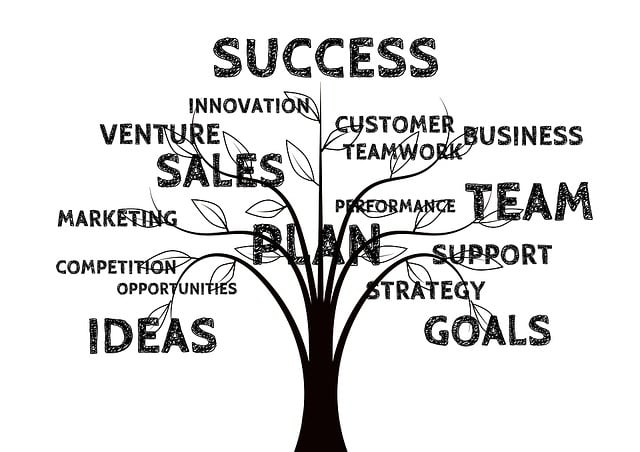
In the dynamic field of real estate, success is not solely measured by individual achievements but by the collective efforts of agents, clients, and stakeholders. Balancing assertiveness with collaboration is a delicate art that fosters effective communication, leading to mutual success in this competitive sector. Assertiveness empowers professionals to express their ideas, negotiate, and defend their positions, while collaboration encourages teamwork, knowledge sharing, and the creation of robust strategies. This dual approach is essential for building strong relationships and achieving remarkable outcomes.
Fostering effective communication starts with active listening. Real estate agents must pay close attention to clients’ needs, concerns, and preferences, demonstrating empathy and understanding. Simultaneously, clear and concise messaging becomes paramount when conveying complex information, such as market trends or property details. For instance, a collaborative environment where agents share insights on emerging neighborhoods can enrich client consultations, providing buyers with well-rounded guidance. Moreover, regular communication among team members ensures everyone is aligned with the latest developments, fostering an efficient workflow that benefits clients and increases their satisfaction levels.
Practical strategies for achieving this balance include setting clear goals, establishing open dialogue channels, and promoting a culture of respect and trust. Agents should encourage feedback sessions, where both positive reinforcement and constructive criticism can flourish. Data suggests that teams with robust communication networks consistently outperform their counterparts in terms of client retention and transaction volumes. By embracing collaboration, real estate professionals not only elevate their individual performance but also contribute to a thriving industry ecosystem.