
Strategic preparation is key to successful real estate negotiation. Analyze comparable sales data for market trends. Address transaction aspects flexibly, including closing costs and repairs. Communicate openly with the seller's agent. Secure 5-10% concessions through expert tactics and research. Demonstrate interest and flexibility for positive relationships. Collaborate on terms backed by local market knowledge and property features. Strategic seller concessions can significantly benefit buyers, saving up to 10% below asking price. Approach negotiations with informed proposals based on comparable sales and trends. Foster a collaborative environment for mutually beneficial agreements. Real estate professionals guide buyers through this process.
In the dynamic landscape of real estate, achieving favorable seller concessions is a strategic art that can significantly influence transaction outcomes. As competitive markets intensify, understanding how to navigate these concessions becomes paramount for both buyers and agents. This article delves into the intricacies of securing generous seller concessions, providing a comprehensive guide for navigating the complexities of modern real estate negotiations. By exploring proven strategies and leveraging market insights, we equip readers with the knowledge to aim for and achieve favorable terms, ultimately enhancing their purchasing power.
Strategize for Negotiation Success in Real Estate

In the competitive real estate market, successful negotiation is a cornerstone for achieving favorable seller concessions. Strategic preparation is key to navigating these discussions effectively. To start, thoroughly analyze comparable sales data in the area, understanding market trends and property values. This knowledge equips you with a solid framework for determining a reasonable offer price that resonates with both your budget and the asset’s potential.
A well-crafted negotiation strategy involves more than just pricing. It encompasses a nuanced approach to addressing various aspects of the transaction, including closing costs, repairs, and contingencies. For instance, offering flexibility on repairs while insisting on certain concessions on closing costs can lead to a mutually beneficial agreement. Real estate professionals recommend keeping an open dialogue with the seller’s agent, leveraging their expertise to find common ground.
Leveraging market insights and demonstrating a realistic understanding of the property’s value are critical. According to recent surveys, successful negotiators often secure 5-10% concessions from sellers, highlighting the impact of strategic planning. An expert real estate negotiator will also prepare alternative scenarios, considering both win-win outcomes and potential compromises. This proactive approach ensures that you remain in control while maximizing your chances of achieving favorable seller concessions in the ever-evolving real estate landscape.
Unlocking Seller Concessions: Key Tactics Explored
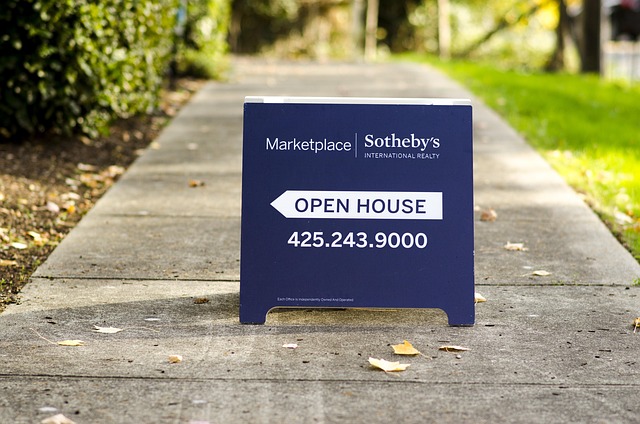
In real estate negotiations, aiming for favorable seller concessions is a strategic move that can significantly impact the outcome of a deal. Seller concessions—a gesture where the seller agrees to terms beneficial to the buyer—are not merely about monetary savings. They can include various elements such as waiving certain fees, extending closing dates, or even upgrading appliances. Unlocking these concessions requires a deep understanding of market dynamics and the specific property in question. Expert negotiators often employ a combination of psychological tactics and well-researched arguments to persuade sellers.
One key tactic involves demonstrating genuine interest and enthusiasm for the property without appearing overly aggressive. Buyers who show respect, flexibility, and a willingness to collaborate can foster a positive relationship with sellers. For instance, a buyer willing to accommodate the seller’s timeline or offer alternatives to address concerns might find more willingness to negotiate concessions. Data suggests that buyers who take a collaborative approach often secure better terms, with some studies indicating up to 30% improvement in concession outcomes compared to more confrontational strategies.
Furthermore, conducting thorough research is indispensable. Understanding comparable sales, market trends, and the property’s unique features allows negotiators to present compelling arguments. For example, if a home requires extensive renovations, a buyer could propose a lower offer, citing the costs of renovation, and request concessions to offset the difference. This approach leverages market knowledge and presents a practical solution for both parties. Ultimately, effective negotiation in real estate requires a balance between assertiveness and empathy, backed by solid preparation and an understanding of the local market.
Maximize Benefits: Achieving Favorable Terms in Sales

In the dynamic realm of real estate, achieving favorable seller concessions can significantly impact a transaction’s outcome, offering buyers substantial benefits. These concessions, which may include price reductions, closing cost assistance, or improved terms, are negotiations that require strategic expertise. Maximizing these advantages is an art that successful agents and buyers alike must master to ensure the best possible deal. By understanding the intricacies of this process, individuals can navigate sales with confidence, securing favorable terms that contribute to a positive real estate experience.
Expert negotiators in the real estate market recognize that concessions are not one-size-fits-all; they should be tailored to each unique scenario. For instance, buyers looking to close quickly might negotiate for concessions related to timing, while those with strong credit may focus on interest rate adjustments. Data suggests that strategic concession requests can lead to substantial savings. According to recent studies, buyers who successfully negotiate concessions often secure prices 5-10% lower than the asking price, a significant advantage in an already competitive market.
To maximize benefits, buyers should approach negotiations with well-informed proposals. This involves thorough research on comparable sales, market trends, and the property’s unique features. For instance, highlighting specific improvements or potential drawbacks of the property can strengthen a buyer’s position. Additionally, demonstrating flexibility and understanding of the seller’s perspective fosters a collaborative environment, increasing the likelihood of reaching an agreement that benefits both parties. Real estate professionals who guide buyers through this process play a crucial role in ensuring not only favorable terms but also a harmonious transaction.