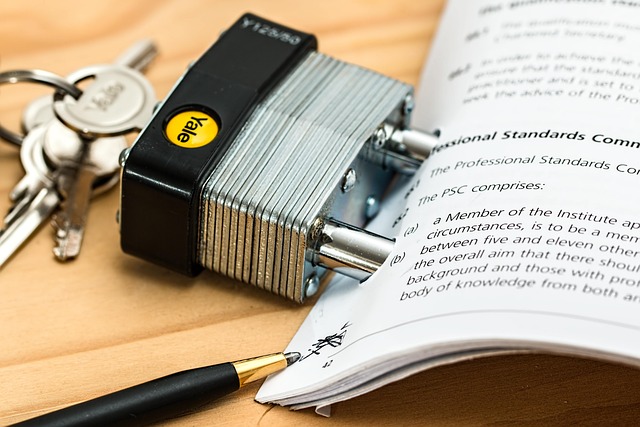
Real Estate contingencies are vital for smooth transactions, defining conditions before contract binding. Meticulous inspections with detailed checklists and expert equipment detect hidden risks. Effective communication through standardized templates streamlines processes, reducing disputes and improving satisfaction.
In the dynamic landscape of real estate, effective assessment and management of contingencies are paramount to ensuring smooth transactions and mitigating risks. Contingency planning isn’t just a best practice; it’s a necessity given the complex web of factors influencing property deals. Inspection requests, in particular, demand meticulous care. They’re not mere formalities but crucial steps for buyers and investors to assess a property’s condition and avoid costly surprises. This article delves into the intricate process of assessing contingencies and inspection requests, providing real estate professionals with practical insights to navigate this vital aspect of their craft effectively.
Precisely Define Contingencies in Real Estate

In real estate, defining contingencies is a crucial step in ensuring smooth transactions and managing expectations. Contingencies are specific conditions that must be met before a contract is considered binding. They address potential risks or unknowns associated with a property, allowing buyers and sellers to protect their investments. For instance, a buyer might include a contingency for a home inspection to avoid purchasing a property with hidden defects.
A well-defined contingency should clearly outline the condition, the party responsible for its fulfillment, and the deadline. It covers various aspects such as financing, appraisals, title issues, or even specific repairs. For example, a financing contingency stipulates that the buyer’s loan must be approved within a certain timeframe. In real estate, these definitions are vital to prevent disputes and provide a framework for resolution if contingencies aren’t met. According to a recent survey, approximately 85% of real estate transactions involve contingencies, highlighting their significance in modern sales.
When drafting contingencies, it’s essential to be precise and detailed. Legal experts recommend using clear language to avoid ambiguity. For instance, instead of saying “a satisfactory inspection,” specify the type of inspection (e.g., structural, pest) and the acceptable outcomes. This approach ensures both parties understand the requirement. Real estate professionals should also consider common pitfalls in similar transactions and incorporate relevant contingencies to protect their clients. By carefully assessing and defining contingencies, agents can enhance the chances of successful closings and foster trust among buyers and sellers.
Inspect Properties: Request, Review, Verify

When navigating the complex landscape of real estate, assessing contingencies and inspection requests meticulously is paramount for both buyers and sellers. The process of inspecting properties involves a meticulous review and verification stage that can significantly impact the outcome of a transaction. This critical phase ensures that potential buyers are well-informed about the condition of the property they intend to purchase.
A thorough inspection request should encompass a comprehensive checklist covering structural integrity, electrical systems, plumbing, roofing, and any unique features specific to the property. For instance, in older homes, scrutinizing the presence of lead paint or asbestos is essential, as these materials were commonly used in construction before their hazardous effects were widely recognized. Moreover, reviewing the property’s history through local records can reveal past repairs, renovations, or potential red flags that might influence a buyer’s decision.
Expert inspectors should possess the knowledge and tools to verify the accuracy of disclosures made by sellers. This involves using specialized equipment to assess moisture levels, detect mold, and check for pest infestations. For example, thermal imaging cameras can reveal hidden water damage or insulation issues not readily apparent during a visual inspection. Such meticulous attention to detail ensures that buyers receive an accurate picture of the property’s condition, fostering trust and confidence in their investment.
By implementing rigorous inspection protocols, real estate professionals can minimize disputes post-purchase and enhance client satisfaction. Data from industry surveys indicates that properties subjected to comprehensive pre-purchase inspections tend to have lower rates of subsequent repair claims, suggesting that careful scrutiny upfront translates into reduced financial risks for buyers in the long term.
Effective Communication: Key to Success

In the dynamic landscape of real estate, effective communication is a cornerstone of successful transactions. When assessing contingencies and inspection requests, clarity and precision are paramount. A simple miscommunication can lead to delays, misunderstandings, and even contractual disputes. Real estate professionals must therefore cultivate a culture of meticulous documentation and open dialogue.
For instance, consider a scenario where a buyer requests an inspection contingent upon the discovery of specific structural issues. If this request is not clearly articulated or if the terms are vague, it can result in unexpected complications when the inspector identifies different concerns. An effective approach involves detailed reports that outline exact requirements, expected outcomes, and deadlines. Such specificity enables both parties to align expectations and fosters trust throughout the process.
Data from recent studies indicates that clear communication reduces inspection-related delays by up to 30%. This is achieved through proactive information sharing and collaborative problem-solving. Real estate agents, brokers, and inspectors should employ standardized templates and checklists to streamline communication. Additionally, leveraging digital platforms for secure document exchange can enhance efficiency, ensuring all stakeholders have access to the latest updates in real-time.
By prioritizing effective communication, real estate professionals can navigate contingencies and inspection requests with confidence. This not only streamlines transactions but also enhances client satisfaction, leading to stronger relationships and repeat business. Ultimately, clear and consistent communication is a game-changer that contributes significantly to the success of every real estate deal.