In real estate, a balance between assertiveness and collaboration is crucial for success. Assertiveness enables professionals to drive negotiations, build trust, and close deals faster. Collaboration, through knowledge sharing, open communication, and empathy, leads to stronger relationships, higher client satisfaction, and increased revenue. Practical steps include setting clear channels, respecting boundaries, fostering open dialogue, and recognizing team strengths. This dual approach enhances productivity, innovation, and collective success in real estate agencies.
In today’s dynamic Real Estate landscape, balancing assertiveness with collaboration is not just a skill but a strategic imperative. As transactions become more complex and stakeholders multiply, professionals must navigate delicate interactions to secure the best outcomes for clients. Assertiveness enables clear communication and protection of interests, while collaboration fosters partnerships, enhances relationships, and unlocks innovative solutions. However, striking this balance can be challenging, often leading to misunderstandings or missed opportunities. This article delves into practical strategies to cultivate both assertive and collaborative behaviors, providing valuable insights for Real Estate professionals seeking to excel in their field.
Understanding Assertiveness in Real Estate Collaboration
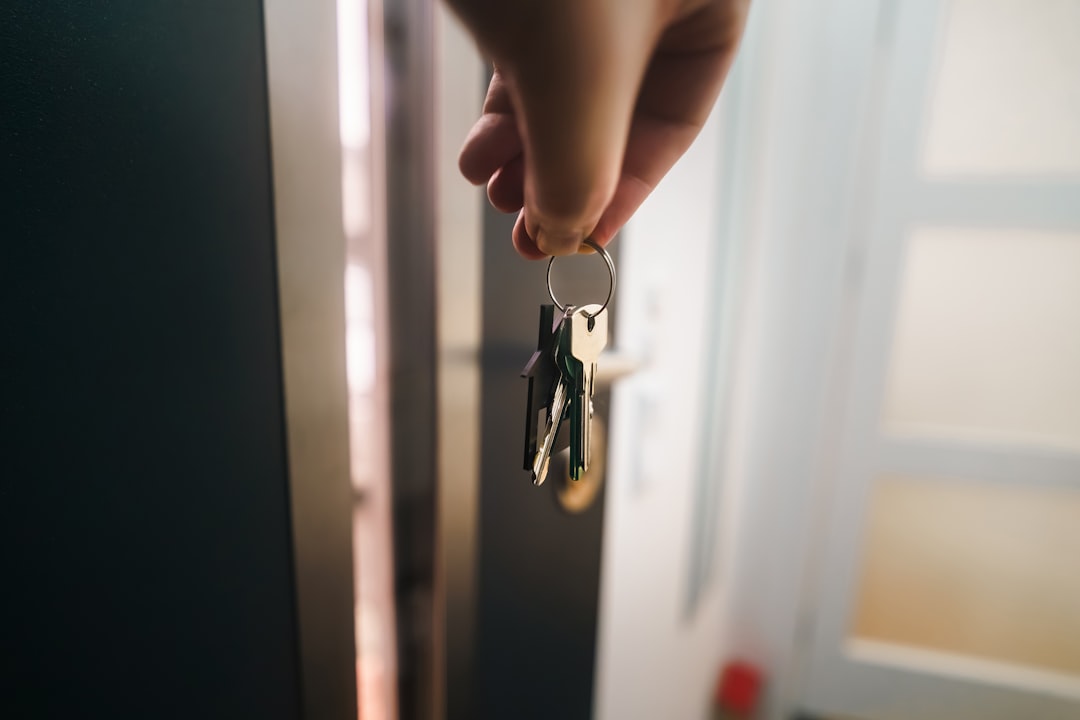
In the dynamic realm of real estate, collaboration is key to achieving successful outcomes. However, achieving this harmony requires a delicate balance between assertiveness and cooperation. Assertiveness, in this context, refers to the ability to express one’s needs, opinions, and rights while respecting those of others. It’s a crucial skill that enables professionals to navigate complex negotiations, foster productive partnerships, and ultimately drive transactions to completion. In real estate, where deals can be substantial and stakeholders numerous, assertive communication can prevent misunderstandings, ensure fair practices, and lead to mutually beneficial agreements.
Understanding assertiveness in real estate collaboration involves recognizing its benefits and pitfalls. On one hand, assertive individuals can bring a wealth of knowledge, clear vision, and a commitment to their projects. They actively listen, address concerns, and offer solutions, fostering an environment of trust and respect. For instance, a realtor who is assertive yet collaborative can effectively communicate the unique selling points of a property while also considering the buyer’s preferences, ultimately securing a win-win deal. On the other hand, unchecked assertiveness can lead to conflict, alienate colleagues, and hinder teamwork. It’s essential to balance this with a willingness to compromise, embrace diverse perspectives, and approach every interaction with empathy.
Practical advice for real estate professionals seeking to master this balance includes active listening, clear and concise communication, and a focus on shared goals. During discussions, give full attention to colleagues, ask clarifying questions, and summarize key points to ensure understanding. When expressing your perspective, do so in a way that acknowledges the other party’s position, demonstrating respect and openness to compromise. For example, instead of demanding specific terms, a realtor might state, “Given your requirements, I believe these adjustments could make the property more appealing to a broader range of buyers, which aligns with our goal of securing a quick and favorable sale.” This approach encourages collaboration while maintaining assertiveness.
Data from industry surveys highlights the impact of effective collaboration in real estate. Studies show that teams with strong collaboration skills close deals faster, achieve higher customer satisfaction ratings, and generate more revenue. Moreover, a collaborative environment fosters creativity, enabling professionals to explore innovative solutions and adapt to the ever-changing market dynamics. In the competitive real estate landscape, where success depends on strong relationships and effective communication, understanding and practicing assertiveness is not just a skill but a strategic advantage.
Cultivating Collaborative Mindset for Success in Real Estate

In the competitive landscape of real estate, a balanced approach to assertiveness and collaboration can significantly impact success. While individual initiative and confidence are vital for closing deals and securing properties, effective collaboration ensures that agents can navigate complex market dynamics and client needs efficiently. A collaborative mindset fosters strong relationships with colleagues, which is particularly beneficial in sharing insights, resources, and leads—crucial aspects of thriving in this industry.
Real estate naturally lends itself to teamwork due to the interconnectedness of various stakeholders: clients, developers, brokers, and service providers. For instance, a successful transaction often involves multiple agents working together to market a property effectively, coordinate viewings, and ensure a smooth sales process. As such, cultivating a collaborative culture can enhance team morale, boost productivity, and ultimately drive higher close rates. According to recent industry reports, teams with strong collaboration practices have been shown to outperform their less collaborative counterparts by up to 25%, underscoring the tangible benefits of embracing teamwork.
Practical steps towards fostering a collaborative mindset include regular team meetings, cross-training initiatives, and open communication channels. Real estate professionals should strive to create an environment where knowledge sharing is encouraged and individual strengths are leveraged collectively. For example, more experienced agents can mentor newcomers, helping them navigate the market and build their client bases while gaining valuable insights from peers. Such collaborative efforts not only foster professional growth but also contribute to a positive, supportive work culture—a key differentiator in attracting and retaining top talent.
Balancing Act: Tips to Harmonize Assertiveness with Teamwork
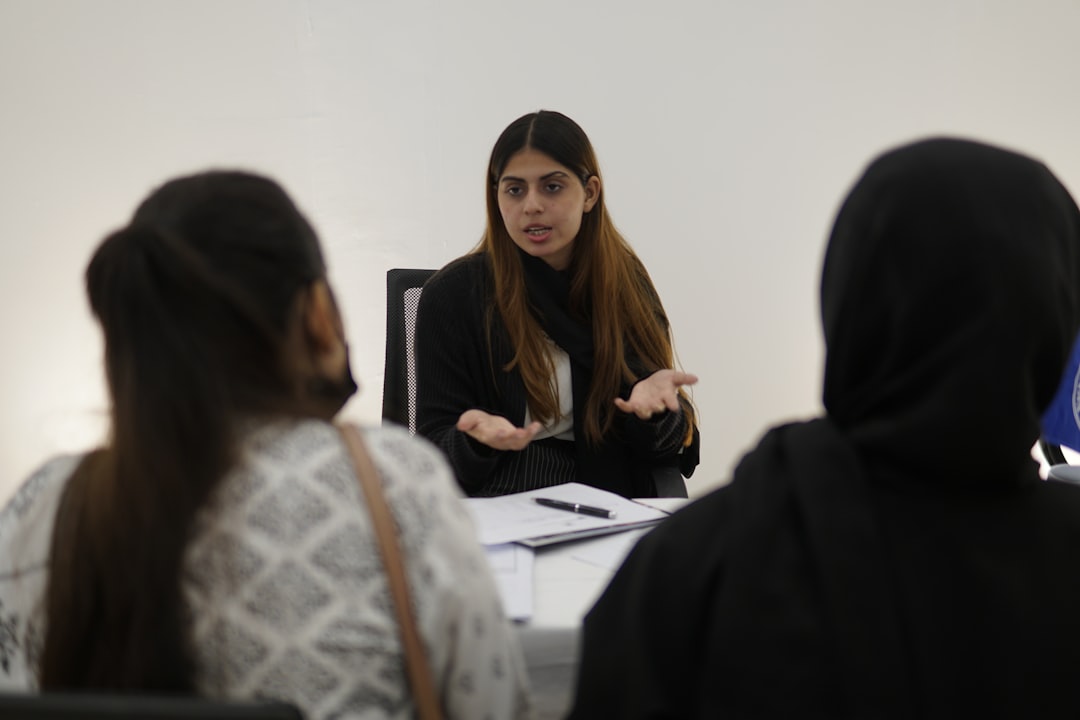
In the dynamic world of work, especially within collaborative environments like real estate agencies, striking a harmonious balance between assertiveness and teamwork is an art worth mastering. While assertiveness propels individual contributions and decision-making, collaboration fosters collective success and client satisfaction. Navigating this delicate equilibrium involves understanding when to advocate for one’s ideas while seamlessly integrating with the team’s efforts.
Expert insights suggest that successful professionals often exhibit a nuanced approach, combining direct communication with active listening. For instance, in a real estate setting, an assertive agent presenting a property listing could incorporate collaborative elements by inviting client feedback and input from colleagues, ensuring a well-rounded understanding of market dynamics. This strategy not only enriches the presentation but also demonstrates adaptability, a crucial trait in the ever-changing industry. Data highlights that teams with balanced assertiveness levels achieve higher productivity and innovation, as diverse perspectives contribute to more creative solutions.
Practical advice for harmonizing these traits includes setting clear communication channels, establishing respectful boundaries, and fostering an environment of open dialogue. Regular team meetings can serve as a platform for sharing ideas, addressing concerns, and collectively setting goals. By actively engaging in these discussions, individuals can express their opinions assertively while learning from colleagues’ insights. Moreover, recognizing and valuing diverse strengths within the team encourages collaboration, ensuring that every member feels empowered to contribute uniquely.